
A ground-level photograph of a building tells a buyer what it looks like. An aerial tells them where it is, what surrounds it, how much land comes with it and what the view from the top floor will be. Those are the questions that actually decide a purchase.
A ground-level photograph answers one question: what does the building look like from the pavement. That is a real question, and it is not the one that decides a purchase.
The questions that decide a purchase are about context. What is around it. How much land comes with it. What the outlook is from the upper floors. How far it really is from the station, the river, the park, the road. Whether the neighbour's extension overlooks the garden. Every one of those is an aerial question.
The shots that do the work
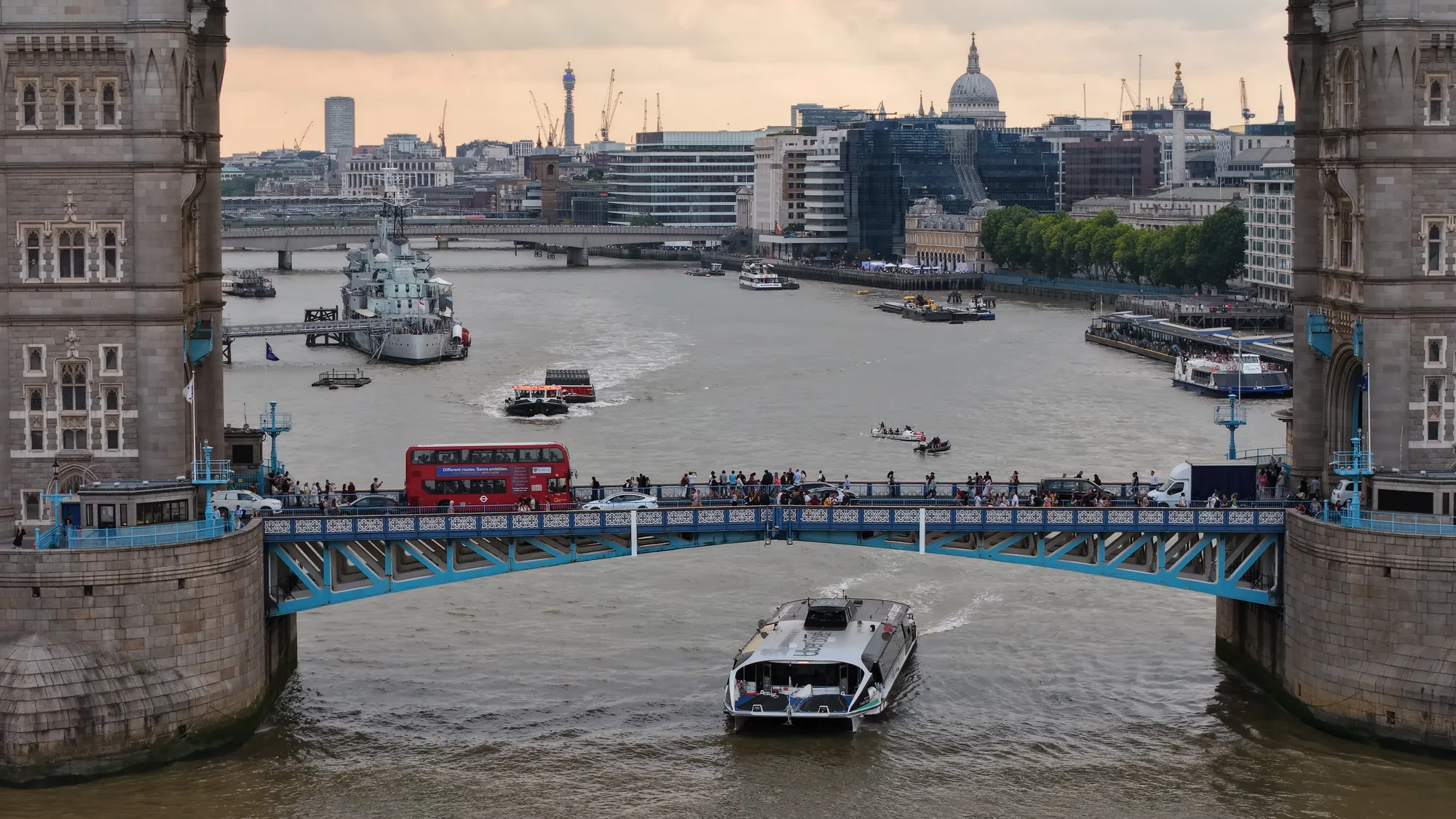
The context frame. The property in the middle distance with the surroundings visible: the street, the green space, the river, the skyline. This is the shot that answers "where is it" better than any map, and it is the one most listings are missing.
The plot. Directly overhead or close to it, showing boundaries, garden, parking, outbuildings and access. For anything with land, a development site, or a commercial yard, this is the single most valuable image, because it converts an area on a plan into something a buyer can actually assess.
The outlook. Taken from roughly the height of the best floor, looking out the way the windows do. This is the closest thing to standing in the room, and for an upper-floor flat or a penthouse it is worth more than any interior shot.
The elevation from above the street. Twenty or thirty metres up, square on to the facade. It removes the parked cars, the wheelie bins, the street furniture and the lamp post that ruins every ground-level attempt, and it shows the whole building including the roof.
The approach. For video: a slow move in from distance to the front of the building. It establishes location and arrival in one continuous shot and works as the opening of any property film.
Commercial property is a different brief
For industrial, logistics and commercial space, the buyer is assessing operations rather than lifestyle, and the imagery should follow:
- •Yard area, circulation and turning space, shown from directly above.
- •Loading arrangements, dock doors and access from the road network.
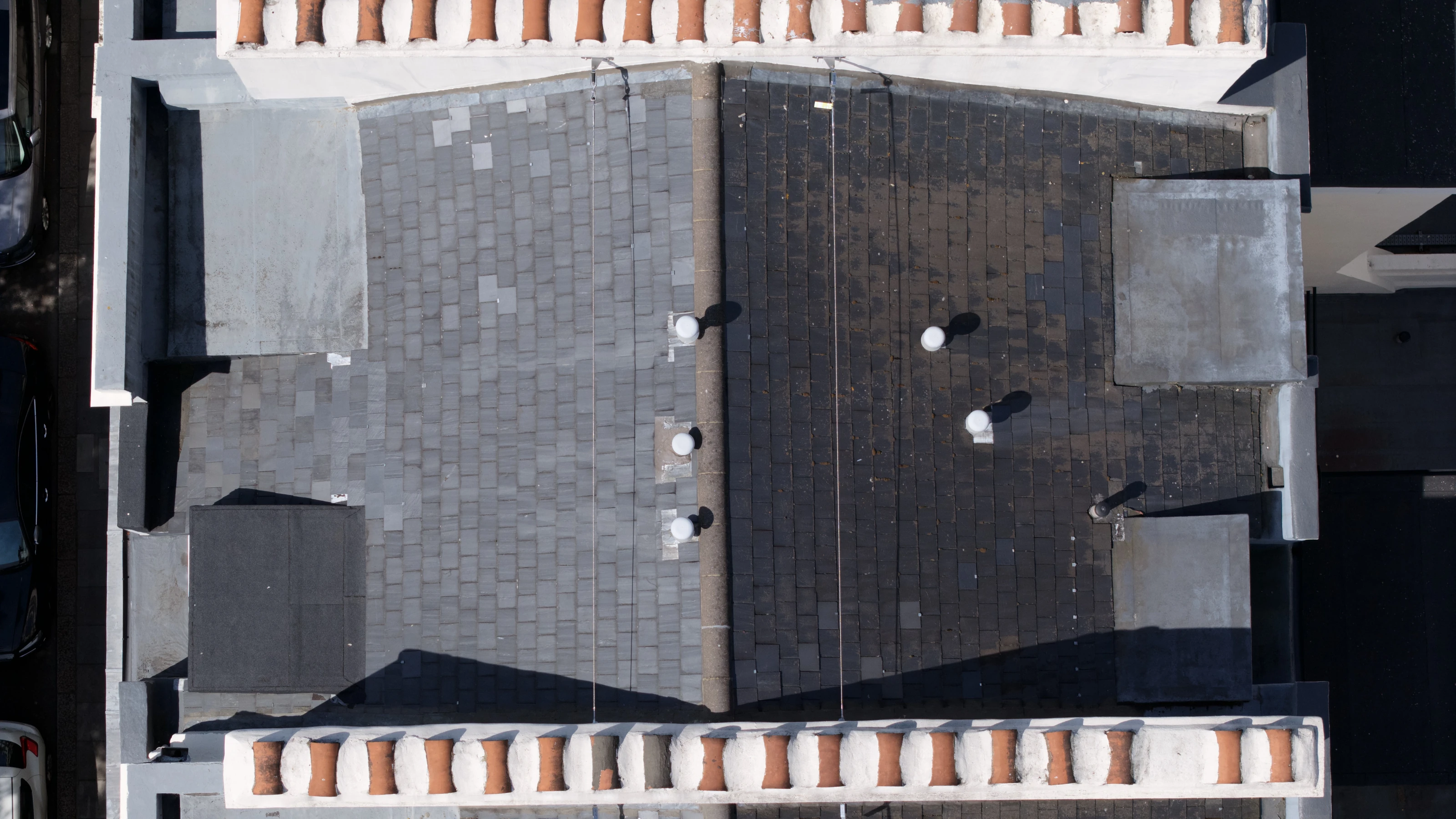
- •Roof condition and plant, which for a purchaser or a tenant taking a repairing lease is a genuine financial question. That often turns into a proper condition survey rather than a marketing shot.
- •Proximity to junctions, rail, port or motorway, shown in one frame at height.
That last one is remarkably persuasive in a letting brochure and almost nobody does it.
The rules that shape what is possible
Two constraints govern property work in London, and they are worth understanding before you brief a shoot.
Distance from uninvolved people. The binding constraint is nearly always the people around the site rather than the site itself. In a dense terraced street, a lawful launch position and lawful separation may be genuinely difficult, and it is the operator's authorisation that determines what is possible. See how to choose a drone operator.
Privacy. Aerial imagery of a property almost always captures the neighbours. Responsible practice is straightforward: keep the aircraft over the property, do not fly the neighbouring gardens for a better angle, and discard frames that look into other people's windows rather than delivering them. On our residential survey work we apply exactly that rule, and it is the same rule for marketing.
For a listing, this is not just ethics. An agent who publishes a photograph looking into next door's bedroom has created a problem for their client.
Timing
Property aerials are worth planning for light in a way ground-level shots are not, because a large part of the frame is roof, road and garden rather than facade.
Mid-morning or late afternoon gives modelling and shadow without the harsh contrast of midday. An overcast day is not fatal for a plot or context shot, and is genuinely bad for anything meant to feel aspirational. For a development with a view, the outlook shot is worth timing for the direction the view faces.
See real estate aerial photography, real estate drone videography, or get in touch with the address and what you are marketing.