
FPV gets specified because a client saw a viral one-take video, and it is sometimes exactly right and often exactly wrong. A plain explanation of what FPV can do that nothing else can, what it costs you, and how to tell which one your project needs.
FPV shows up in briefs for one reason: somebody watched a single-take video that flew through a building, out of a window, down a stairwell and into a car, and wanted that. Sometimes that instinct is exactly right. Often it is an expensive way to get a worse result.
Here is the honest version.
What FPV genuinely does that nothing else can
Continuous movement through space. A conventional camera drone is built to be smooth and stable and to hold a frame. An FPV aircraft is built to move, and it can carry a camera through a route that includes tight gaps, sudden changes of direction and large changes in height without stopping. That produces a single unbroken shot that a viewer reads as one continuous experience, which is a fundamentally different thing from a sequence of beautiful cuts.
Proximity and speed together. FPV can hold station a metre off a moving subject at speed. Chasing a vehicle, running a length of a vessel, dropping alongside a facade: these are shots where the camera has to be both close and fast, and only FPV does both.
Point of view. Because the pilot flies from the camera's perspective, the resulting movement feels intentional and embodied rather than observed. That is why FPV footage puts a viewer inside a scene.
What it costs you
Image quality is a compromise. FPV airframes carry smaller, lighter cameras than a cinema-class platform. The gap has narrowed a lot, but if the deliverable is a large-format still or a very clean, gradeable image in difficult light, the conventional platform wins.
It is not stable in the traditional sense. FPV motion has energy in it. That is the point, and it is also why it is wrong for a calm establishing shot, a property exterior, a corporate interview backdrop or anything that needs to feel composed.
It takes more setup. A route has to be planned, walked, and usually rehearsed. Multiple takes are the norm. A shot that lasts forty seconds may take a morning.
Safety planning is heavier. Fast, close flying near people or structures needs a more thorough assessment, and there are places where the honest answer is that the shot cannot be flown safely and something else should be designed instead.
How to choose
A short test that gets it right nearly every time:
- •Does the shot need to travel through a space, continuously, in a way a person could not? That is FPV.
- •Does the shot need to be close to something moving fast? That is FPV.
- •Does the shot need to be still, wide, high or perfectly steady? That is a conventional platform.
- •Does the deliverable include large stills, or footage that will be heavily graded? That is a conventional platform.
- •Is the answer "both"? That is the usual answer on any project bigger than a single shot, and it is why we fly both.
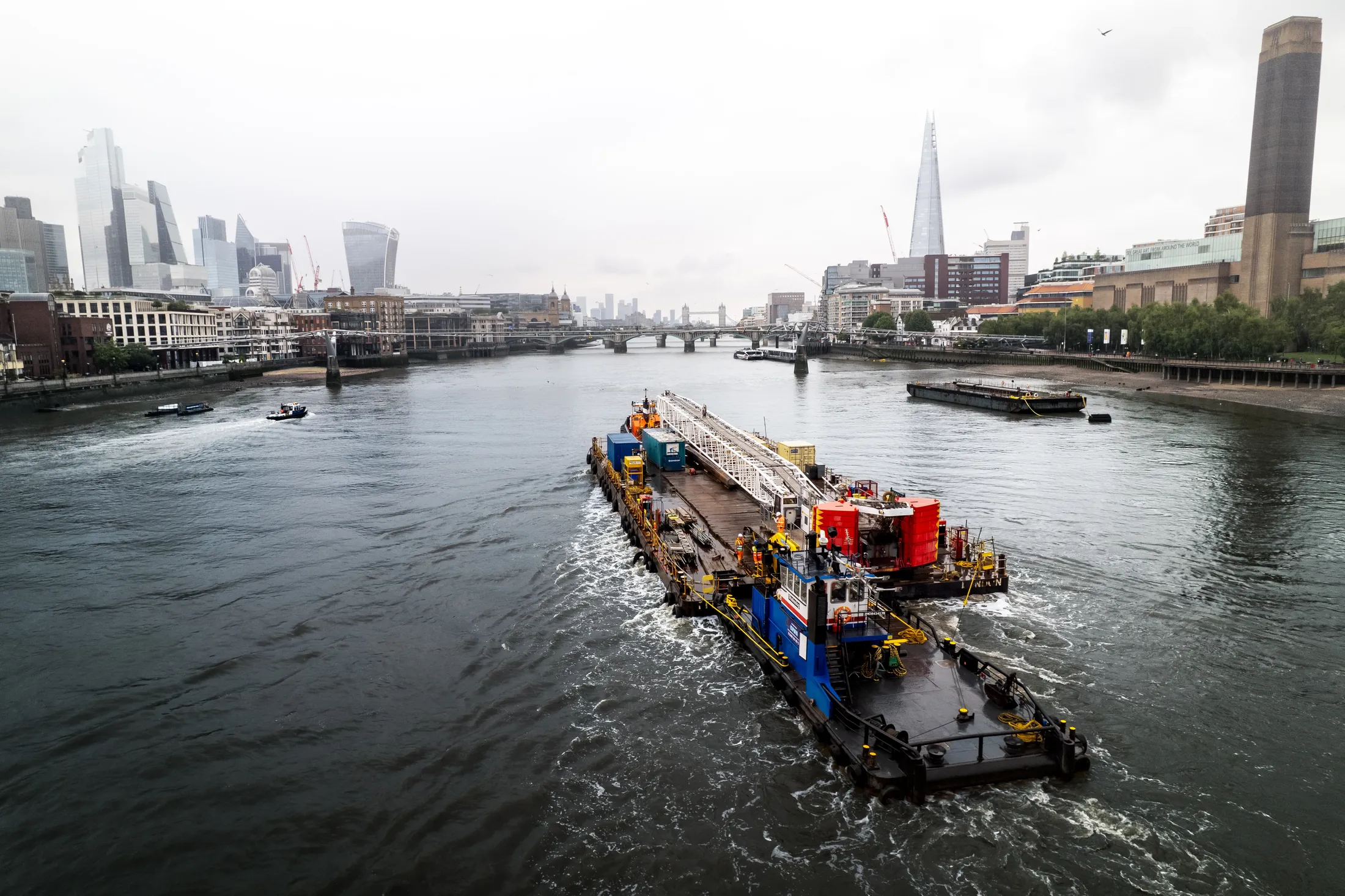
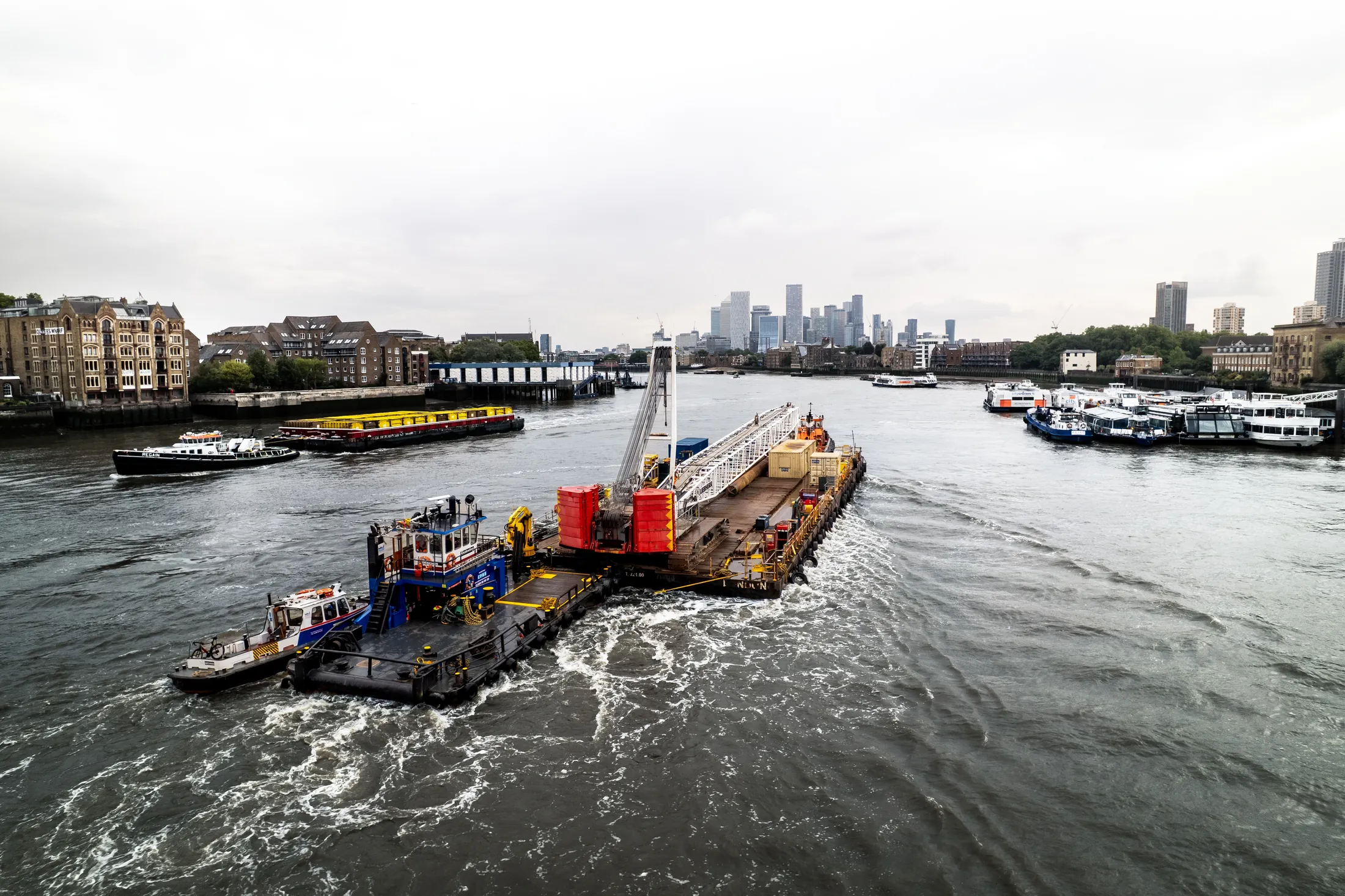
Our Thames tow coverage is a worked example of the two working together on the same operation.
The one thing that decides quality
Not the airframe. The pilot.
FPV is flown manually, without the stabilisation and position holding that make conventional drones forgiving. Every input is the operator's. That is why the same aircraft in different hands produces either a shot that makes people rewind, or footage that induces motion sickness. When commissioning FPV, ask to see recent, complete, unedited-length shots rather than a cut reel: a reel hides everything.
Our FPV reel and further work is on the FPV showcase page, and the service page is FPV drone filming in London.
If you are not sure which platform your project needs, describe the shot and we will tell you honestly. Get in touch.