
Clients book a Thames shoot for Tuesday at ten. The river does not work like that. Everything on the tideway is scheduled around high and low water, the timing shifts by roughly an hour a day, and the light window may not coincide with any of it.
The most common misunderstanding about working on the Thames is that it is a location. It is not. It is a process that happens to have water in it, and it runs to a schedule set by the moon.
Everything downstream of Teddington rises and falls roughly seven metres twice a day. Vessels move with that, not against it. Which means the first question on any river job is not "when are you free" but "what is the tide doing".
Why vessels move when they move
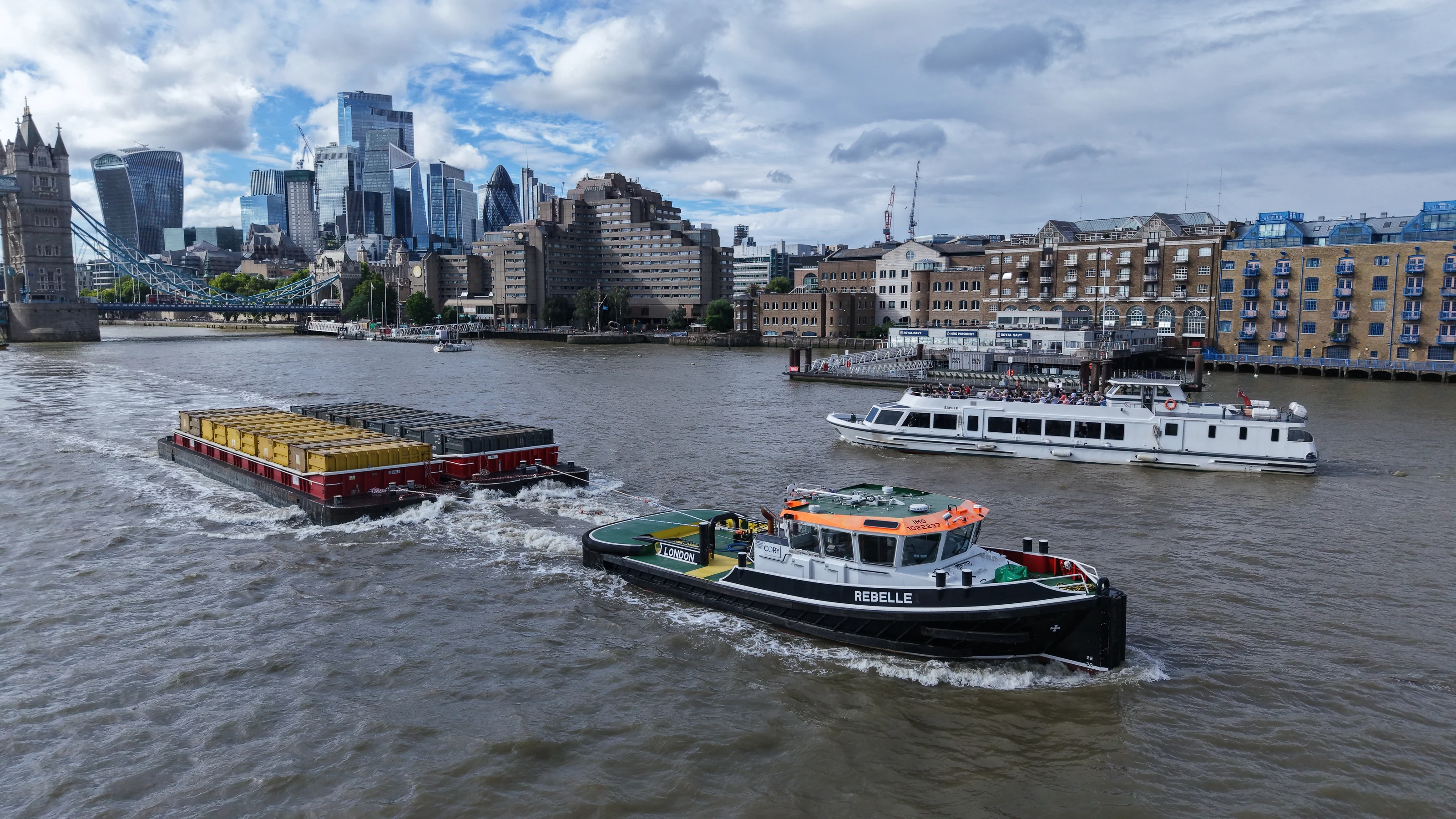
Commercial traffic goes with the stream. Pushing a loaded barge against a spring ebb is slow, burns fuel and is hard on the gear. So tows are planned to run with the tide, which fixes the hour they happen.
Bridges and berths impose windows. Air draft under the bridges changes with the height of tide, and some berths are only accessible for a period either side of high water. A vessel that has to be somewhere at a certain state of tide has no flexibility at all.
Locks and docks have gates. Anything entering or leaving an impounded dock is tied to a lock window, which again is set by the tide.
Passenger services run to a timetable that is itself tidal in places. Pier access at some points depends on the height of water.
The practical consequence: the movement you want to film happens at a specific hour, that hour moves about fifty minutes later each day, and it is not negotiable.
The three variables that have to coincide
A good river frame needs three things to line up on the same day.
The event. The vessel movement, the works, the passage.
The light. Golden hour and blue hour are fixed by the sun, not by the tide, and the two drift relative to each other constantly. Some weeks a tow happens in beautiful light; other weeks the same tow happens at eleven in the morning under a flat sky.
The weather. Wind is the binding constraint for aircraft, and the tideway is more exposed than it looks, especially in the wide reaches below Greenwich.
You cannot control any of them. What you can do is look ahead over a period rather than picking a date, find the days where the event and the light overlap, and keep the weather as the only variable in play. That is the entire skill of planning a river shoot, and it is why booking a single fixed date is the most expensive way to do it.
What to send when you enquire
For anything involving a vessel or a river operation, four things make a plan possible:
- •The passage plan or works programme, even in draft. Where from, where to, roughly when.
- •The tide window you have been given, if any.
- •The vessel operator's contact, so we can coordinate directly rather than through a chain.
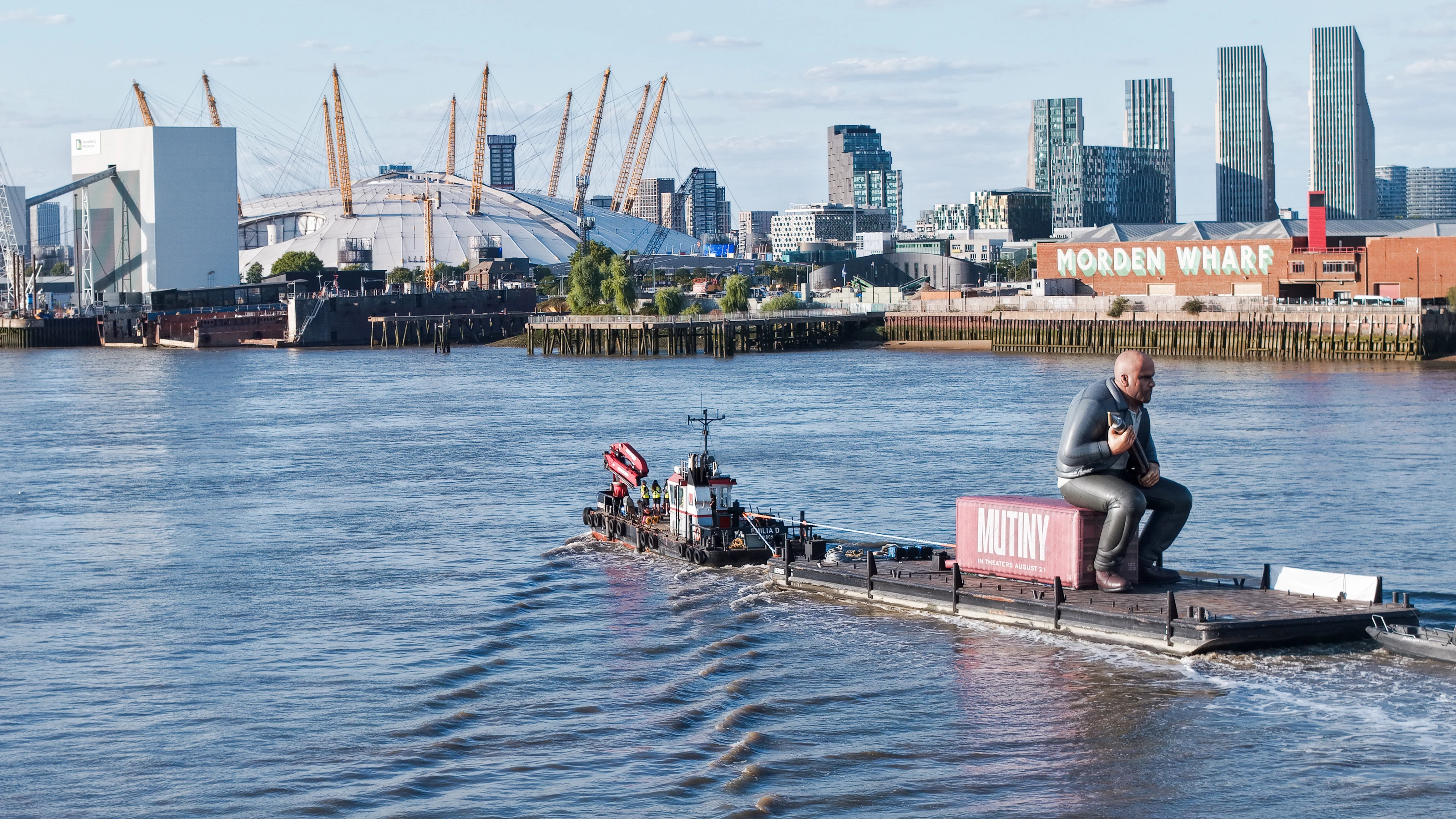
- •The backdrop that matters. Tower Bridge, Canary Wharf, Greenwich, the O2. This is a creative decision that determines the launch position, and a tow moving at six knots passes several completely different Londons in an hour.
That last one catches people out repeatedly. The backdrop is not a detail to sort out on the day. It decides where the aircraft has to be, and therefore where we launch from and what permissions are needed.
Why river knowledge is not interchangeable with drone experience
Most of the work on a Thames job is river craft rather than aviation. Reading a tide table against a passage plan, knowing which reach a vessel will be in at a given hour, knowing where the fairway sits, which piers are working, which stretch of foreshore is accessible and safe at a given state of tide, and how to speak to a skipper.
Our team came to this from driving boats on this river. That is the reason we can plan around an operation instead of interrupting it, and it is why river operators are comfortable with us being there.
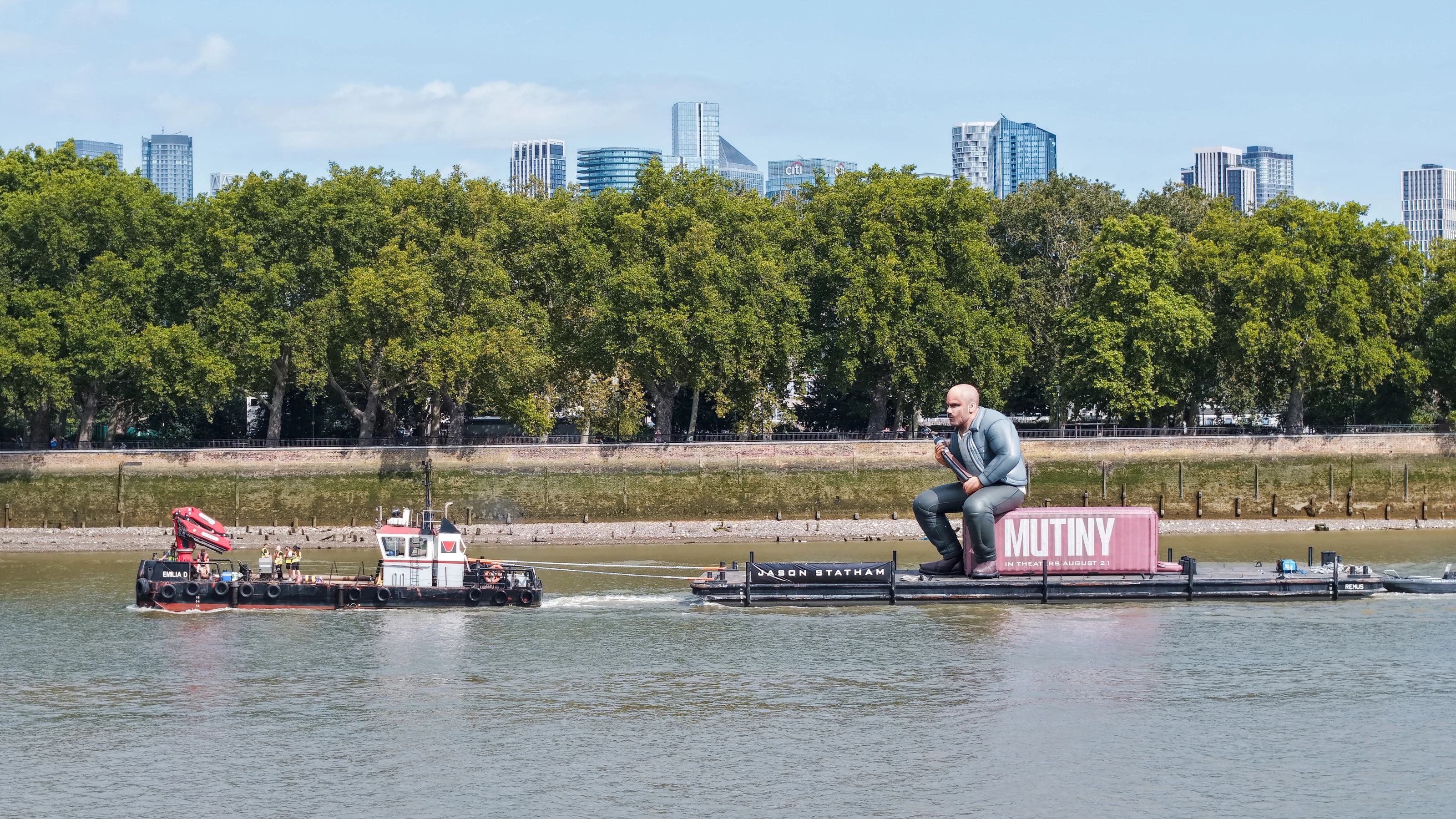
Worked examples: the Mutiny brand activation, which we caught twice in one day in two completely different lights, and the Cory tug Rebelle through Tower Bridge.
For the regulatory side, see drone filming on the Thames: permits and permissions and who actually runs the Thames.
Planning something on the river? Get in touch early, or see our Thames drone services hub.