
Roof & Asset Condition Surveys in W1S
We cover W1S for roof & asset condition surveys, with the airspace checks, risk assessment and clearances handled before the crew arrives.
Recent Work
Selected work from across London and the Thames.
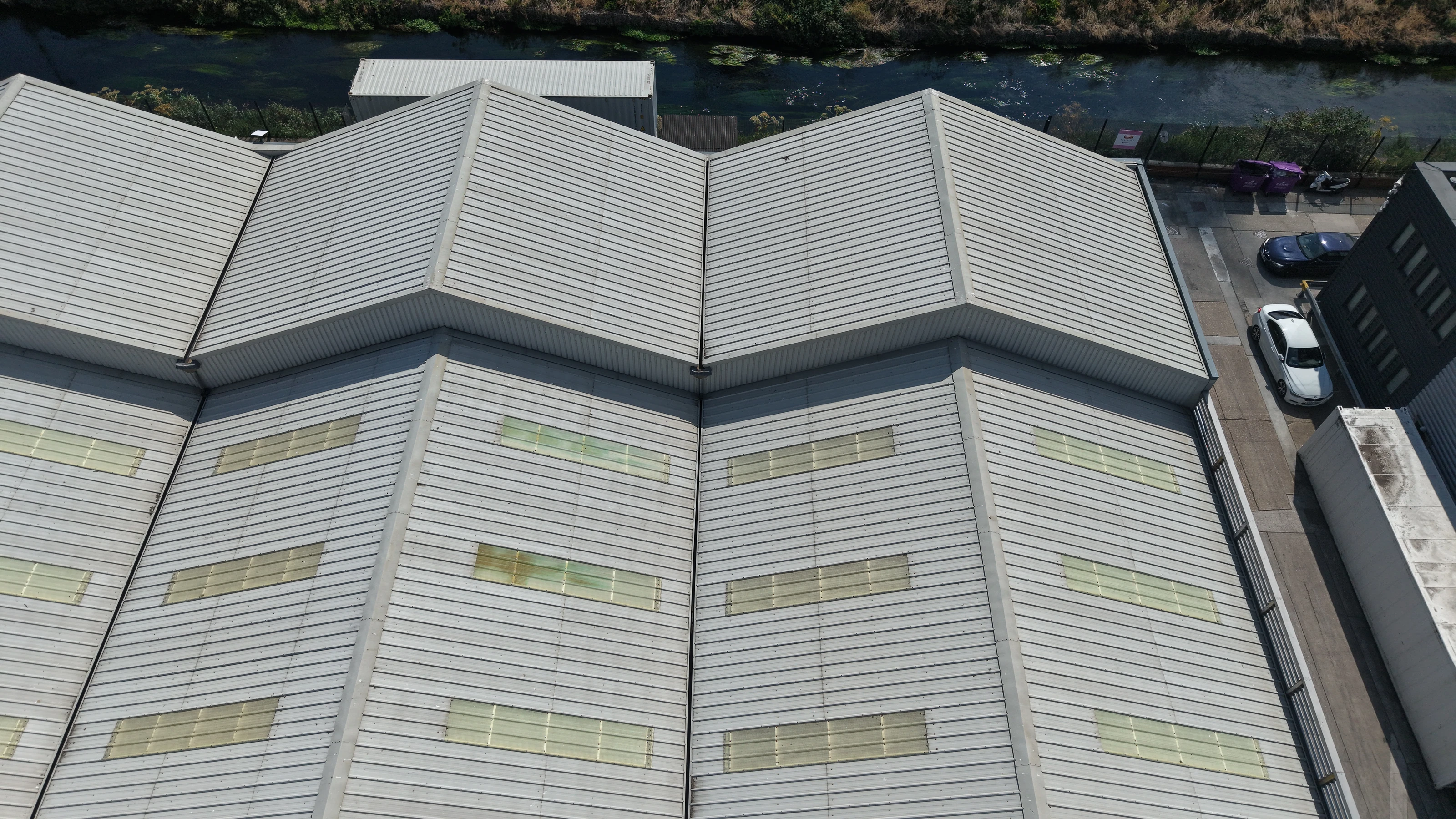
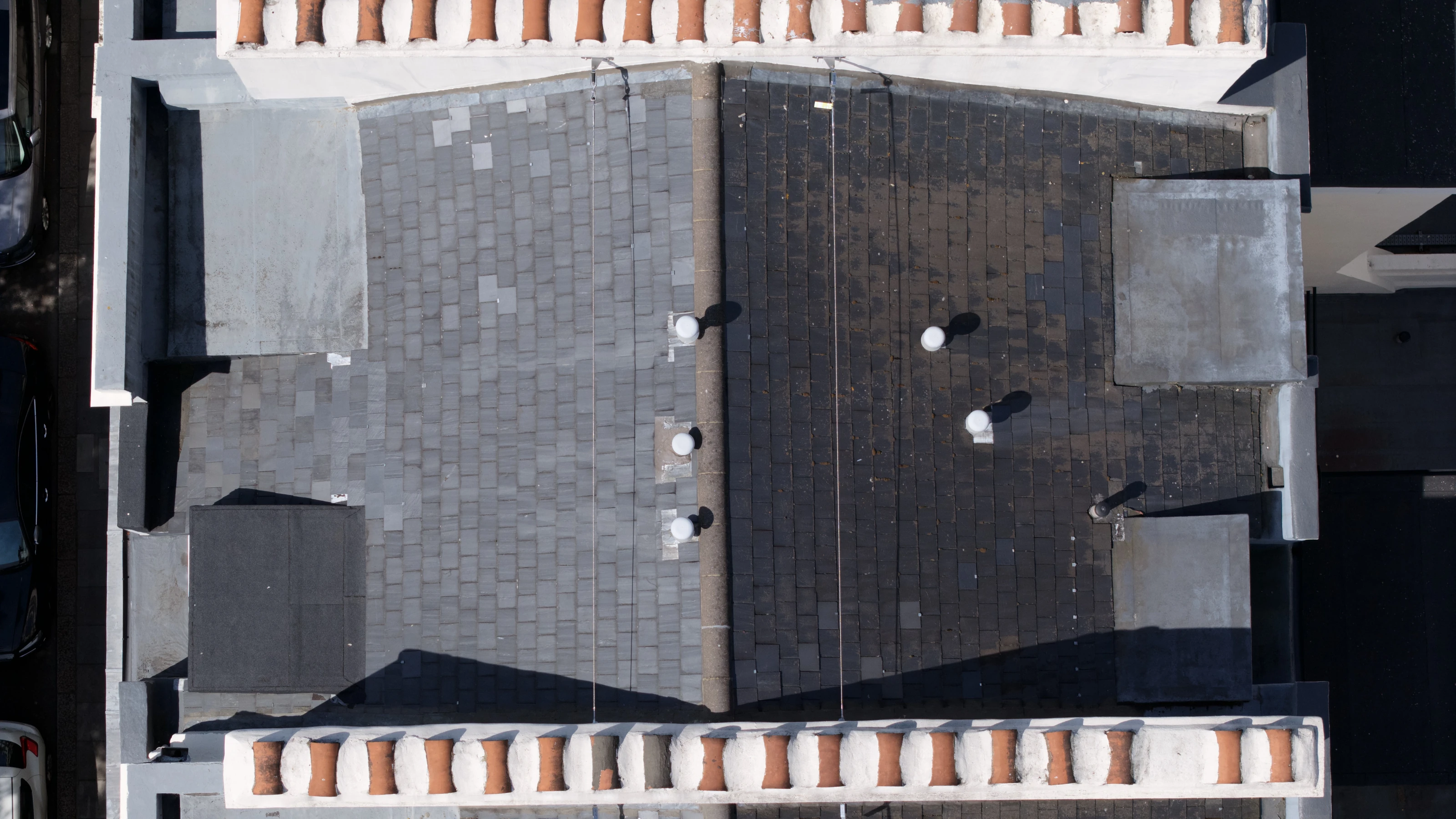
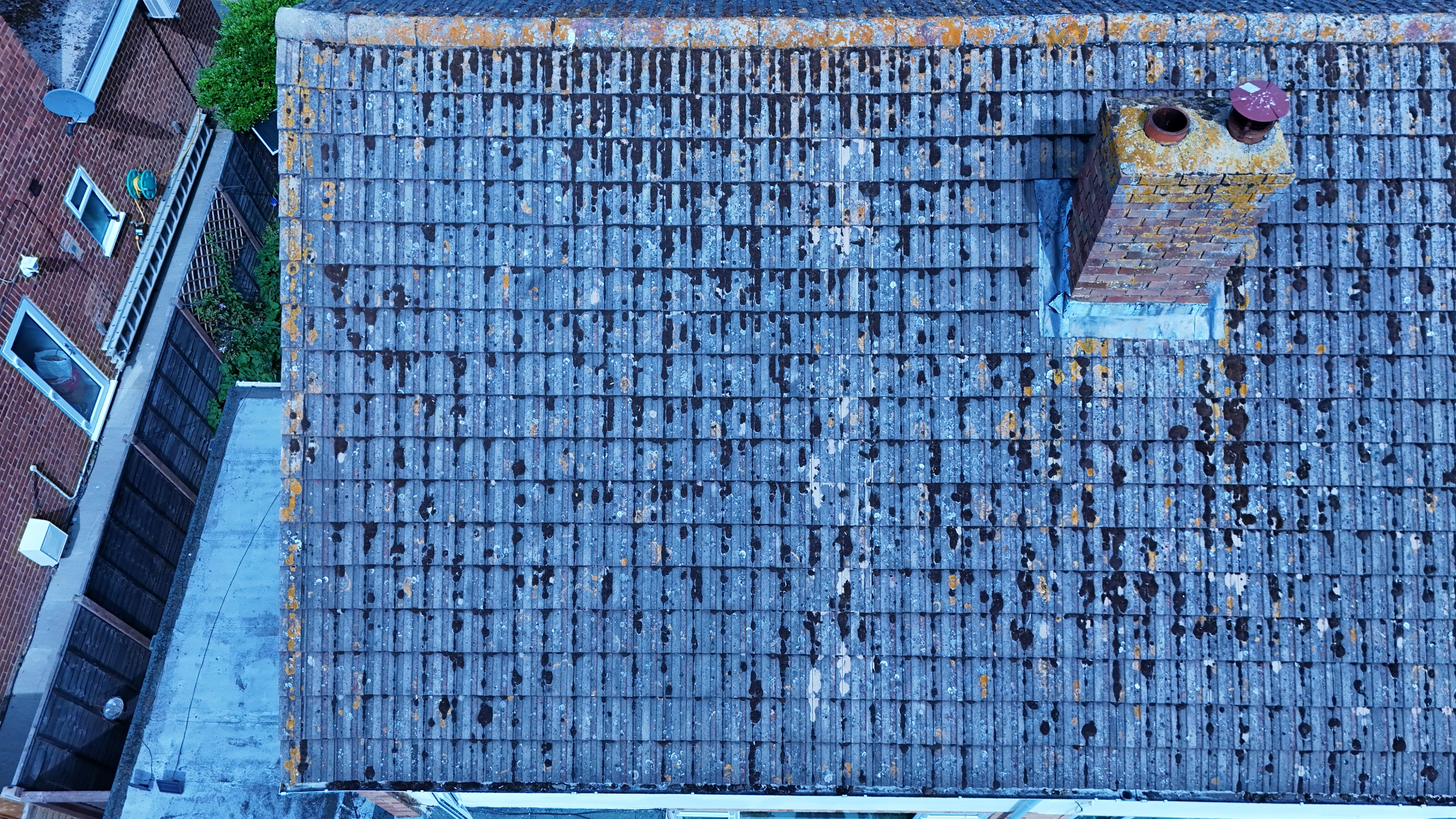
Getting a crew into W1S is a short job for us rather than a special arrangement. Work in the district covers everything from marketing imagery to progress records and condition reports. Repeat visits to the same W1S site keep the same crew wherever we can manage it.
A single well-planned flight over the site often replaces a day of access equipment. Where W1S sits under a flight path, timings matter more than usual. W1S is one of the West London districts we cover, and the surrounding ones are all in range.
The W1S operating plan is written before the crew is scheduled, not after. Depending on the deliverable that might be the Inspire 3 for 8K, a Mavic for reach, or a Matrice for mapping. Every crew member knows the abort criteria before the first take-off.
Every operation runs under our CAA authorisation with £10M public liability cover in place. If weather stops the flight we rebook the next clear window at no extra cost. Every job gets a written brief confirmation before we mobilise.
What's Included
Get a Quote for W1S
Get in touch to discuss your roof & asset condition surveys requirements in W1S.
Request QuoteOther Services in W1S
Frequently Asked Questions
How long will you be on site in W1S?
Most single-subject jobs take one to three hours on site including setup, briefing and packing down. Larger sites, multiple elevations or survey work take longer, and we confirm the expected window when we quote.
Do we need permission from the landowner or council?
Take-off and landing need the landowner's permission, and we will tell you whose it is before the date. Where a council, managing agent or estate needs sight of our CAA authorisation, insurance or risk assessment, we supply the paperwork directly.
Do you need us to close anything off while you fly?
Usually not. Most jobs are flown with a small cordon around the take-off point and sensible separation from people on the ground. Where a site genuinely needs more, we will tell you at the planning stage rather than on the morning.